| |
|

Music in Massachusetts
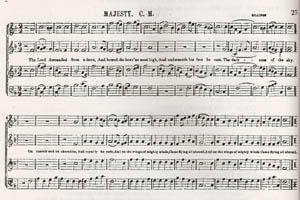
[MAJESTY by William Billings, 1778]

Please Help Support the Center for American Music Preservation
Order your music collections, CDs and DVDs at the
CAMP Store
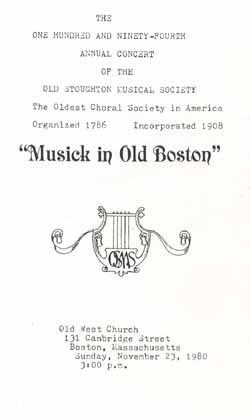
Jubilee 350 Festival: Musick in Old Boston
Composers born in Massachusetts
before 1920
.jpg)
Stoughton-born composer, Supply Belcher (1751-1836)
List of composers born or were active in Massachusetts,
arranged alphabetically by city or town (click on the links for more):
- Andover:
Jeremiah Ingalls, b. 1764/ d.1838
- Attleboro:
Daniel Read, b. 1757 d.1836
Joel Read, b. 1753/ d.1837
- Auburndale:
Horatio Parker, b. 1863/d. 1919
- Bedford:
Isaac Lane, b. 1766/d. 1803
- Beverly:
Henry Kemble Oliver, b. 1800/ d. 1885
Isaac Woodbury, b. 1819/ d. 1858
- Boston:
Amy Cheney Beach, b. 1867-1944
William Billings, b. 1748/ d. 1800
Irving Fine, b. 1914/ d. 1962
Margaret Ruthven Lang, b. 1867/ d. 1972
William Mason, b. 1829/ d. 1908
Richard Storrs Willis, b. 1819/ d. 1900
Charles Zeuner, b. b. 1795/ d. 1857
- Boxford:
Samuel Holyoke, b. 1762/ d. 1820
- Bridgewater:
Lewis Edson Sr, b. 1748/d.1820
Lewis Edson Jr, b.1771/d. 1845
- Brockton:
Henry Morton Dunham, b. 1853/d. 1929
- Brookline:
Daniel Gregory Mason, b. 1873/ d. 1953
- Cambridge:
Leroy Anderson, b. 1908/ d. 1975
Arthur Bird, b. 1856/ d. 1923
Edward Burlingame Hill,
b. 1872/ d. 1960
Arthur B. Whiting, b. 1861/ d. 1936
- Carver:
Abraham Maxim, b. 1773/ d. 1829 [birth also listed as Plympton]
- Danvers:
Bartholomew Brown, b. 1772/ d. 1854 [birth also listed as Sterling]
- East Bridgewater:
Nahum Mitchell, b. 1769/d. 1853
- Framingham:
Daniel Belknap, b. 1771/ d. 1815
- Hancock:
Joshua Goodrich, b. 1781/ d. 1854
- Hingham:
Issachar Bates, b. 1758/ d. 1837
- Lawrence:
Leonard Bernstein, b. 1918/ d. 1990
- Lowell:
George W. Chadwick, b. 1854/ d. 1931
- Marion:
Carl Ruggles, b. 1876/ d. 1971
- Medfield:
Lowell Mason, b. 1792/ d. 1872
- Medford:
James L. Pierpont b. 1822/ d.1893
Rev. John Tufts, b. 1689/d. 1750
- Middleboro:
Oliver Shaw, b. 1779/ d. 1848
- Newburyport:
Daniel Bayley, b. 1725/ d. 1799
- Newton:
Frederick Converse, b. 1871/d. 1940
Thomas Hammond, b. 1791/d. 1880
- Northboro:
Abraham Wood, b. 1752/ d. 1804
- Raynham:
Amariah Hall, b. 1758/ d. 1827
- Salem:
Arthur Foote, b. 1853/ d. 1937
- Sheffield:
George F. Root, b. 1820/d. 1895
- Shirley:
Oliver Holden, b. 1765/d. 1844
Hezekiah Moors, b. 1775/d. 1814
Abram Whitney, b. 1785/d. 1882
- Somerville:
Henry Franklin Belknap Gilbert, b. 1868/d. 1928
Henry Hadley, b. 1871/ d. 1937
- Springfield:
Joseph F. Wagner, b. 1900/d. 1974
- Stoughton (includes towns of Canton and Sharon):
Alanson Belcher, b. 1810/ d. 1900 [Stoughton]
Samuel Capen, b. 1745/d. 1809 [Canton]
Supply Belcher, b. 1751/d. 1836 [Stoughton]
Edward French, b. 1761/ d. 1845 [Sharon]
Jacob French, b. 1754/ d. 1817 [Canton]
Edwin Arthur Jones, b. 1853/ d. 1911 [Stoughton]
- Swampscott:
Mabel Daniels, b. 1878/ d. 1971
- Taunton:
Jezaniah Sumner, b. 1754/ d. 1836
- Topsfield:
Jacob Kimball, b. 1761/ d. 1826
- West Springfield:
Justin Morgan, b. 1747/ d. 1798
- Weymouth:
Elias Mann, b. 1750/ d. 1825 [birth also listed as Northampton]
- Woburn:
Josiah Flagg, b. 1738/ d. 1794
- Worcester:
Timothy Swan, b. 1758/d. 1842
Number of composers listed = 62 in 40 citities and towns
--List compiled by music preservationist, Roger Lee Hall
For recordings of music by some of the composers listed above,
click on these links:
American Music Recordings Collection (AMRC)
The New England Harmony
Singing Stoughton
(home of America's oldest choral society)
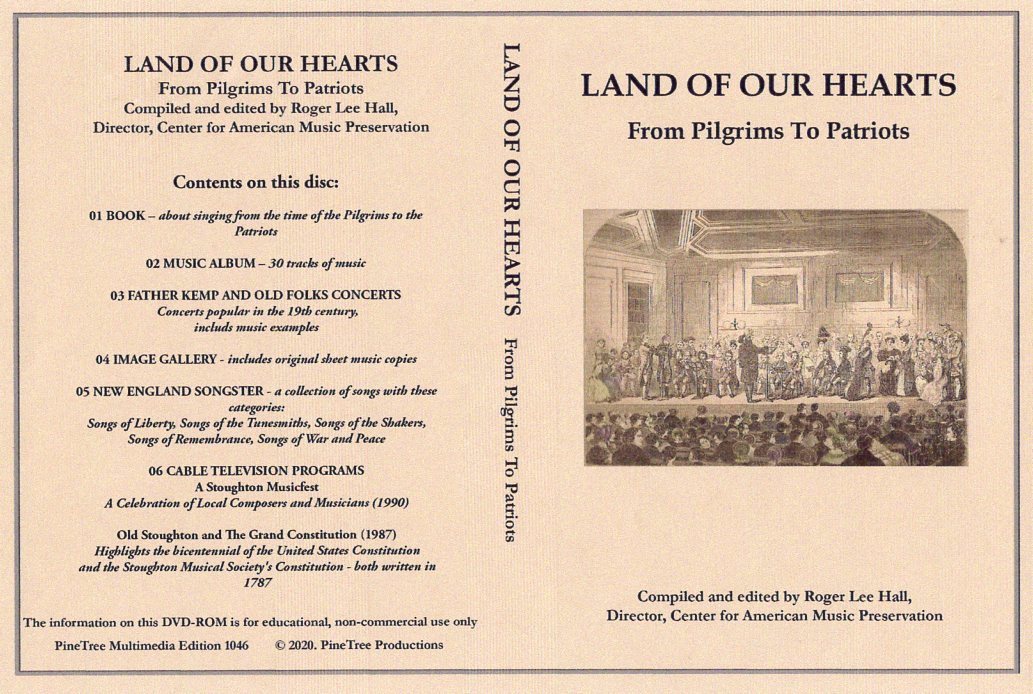
"Land of Our Hearts" -
From Pilgrims to Patriots
Benjamin Franklin and Wolfgang Amadeus Mozart
 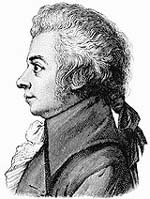
The year 2006 marked the 300th anniversary
of the birth of Franklin (1706-1790)
and
the 250th anniversary
of the birth of Mozart (1756-1791)
Read more -- click here
First U.S. performances by...
First performances of music by European composers
in Massachusetts:
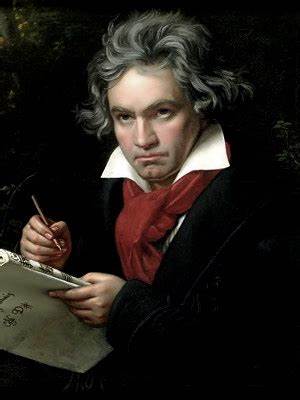
First Performances of Beethoven's Music in 19th Century Boston
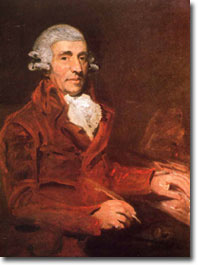
Franz Joseph Haydn
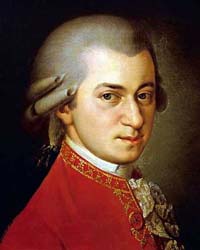
Wolfgang Amadeus Mozart
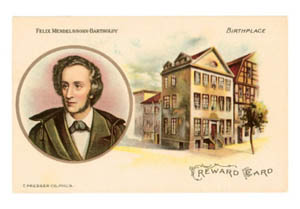
Felix Mendelssohn-Bartholdy
Additional Resources
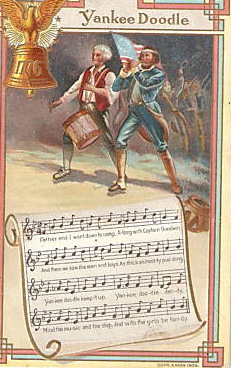
New England Song Series No. 1:
FATHER AND I WENT DOWN TO CAMP
New England Song Series No. 2:
SONG OF THE OLD FOLKS
New England Song Series No. 3:
BATTLE HYMN OF THE REPUBLIC
New England Song Series No. 4:
JINGLE BELLS
New England Song Series No. 5:
SIMPLE GIFTS
New England Song Series No. 6:
GOIN' HOME
Read about early music from a Massachusetts town
with the oldest surviving choral society
click here
Are you interested in a music program for your organization or school?
Then look at the list of
Music Lectures and Workshops
Read about early music in the United States at the
American Music Timeline - Part One: 1620-1818
American Music Timeline - Part Two: 1820-1920
Please remember to credit this website!
If you use any information for
a publication, research paper, or website
please give credit to
American Music Preservation.com
For any comments or questions, write to:
Return to top of this page
|
|
|